

Airbus searches for museum homes for retiring BelugaST fleet
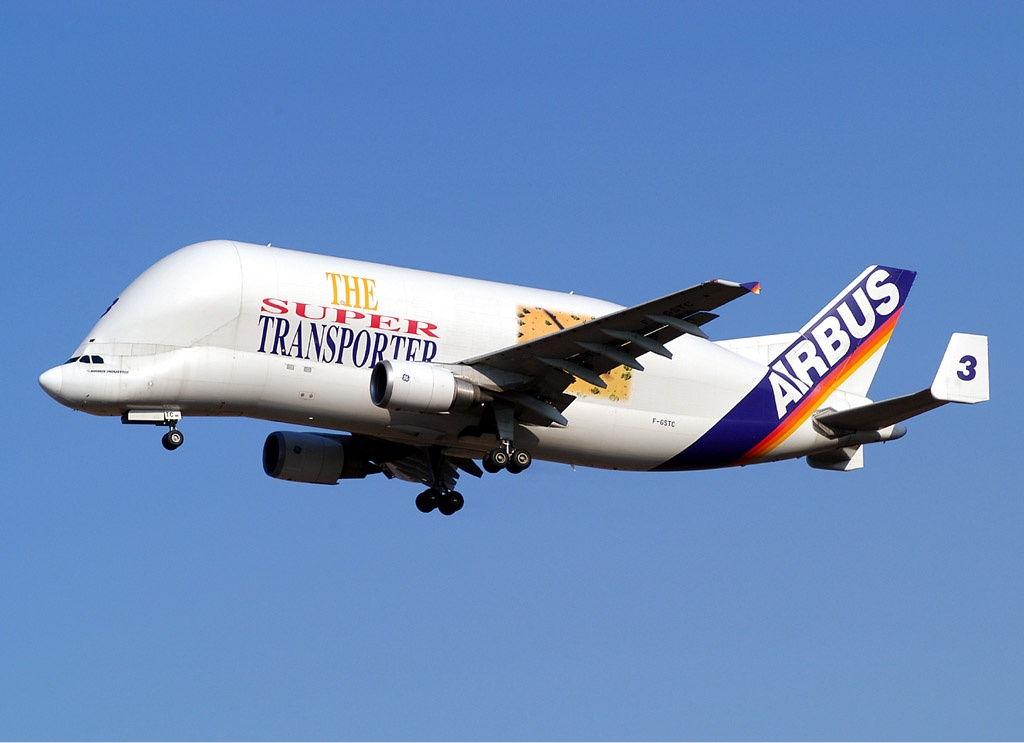
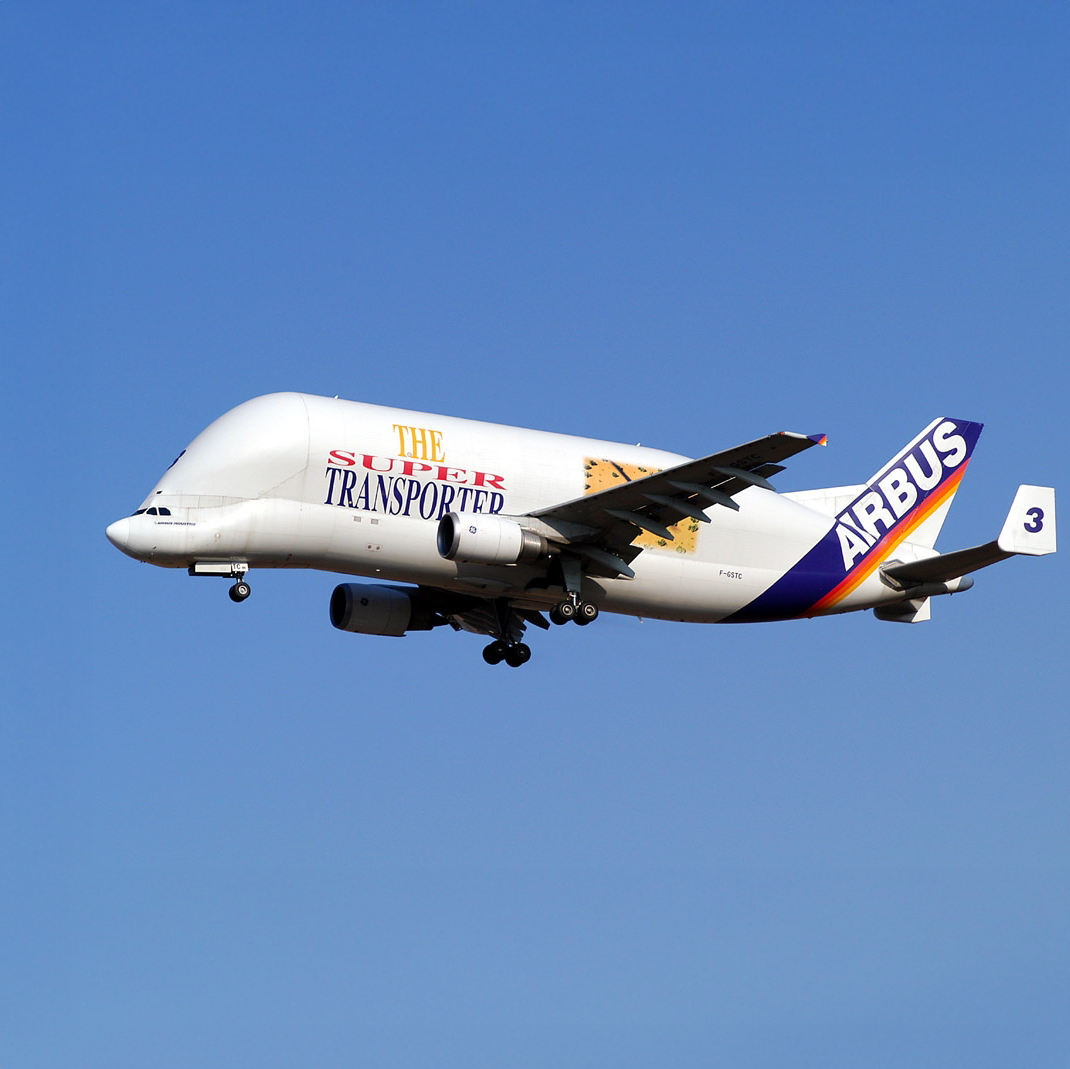
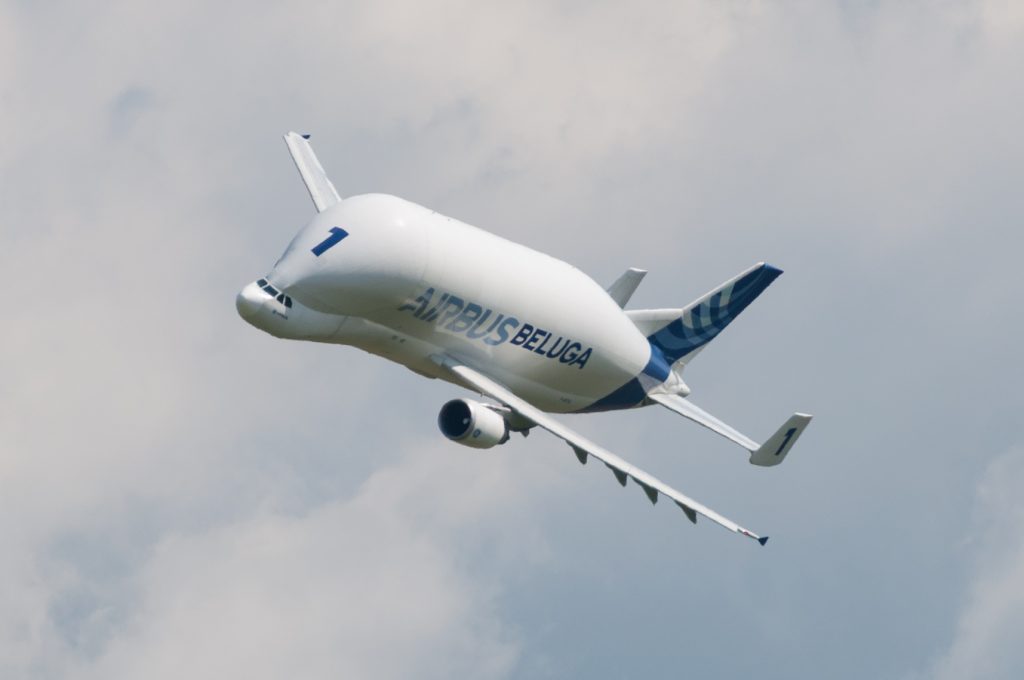
Airbus is facing an unusual and symbolic challenge: finding museums capable of hosting its iconic BelugaST aircraft, the outsized cargo planes that supported the manufacturer’s production system for more than two decades. With the full transition to the newer BelugaXL fleet now complete, the first-generation Beluga aircraft are being withdrawn from service, opening a complex chapter in their long-term preservation.
The BelugaST, formally known as the A300-600ST Super Transporter, was a cornerstone of Airbus logistics, carrying wings, fuselage sections, and other oversized components between European manufacturing sites. However, the introduction of the larger and more capable BelugaXL, based on the A330-200 platform, has rendered the original fleet redundant.
Museums considered, but challenges remain
According to industry sources, Airbus is in discussions with museums and educational institutions, primarily in Europe, to explore possible donations or permanent displays. Placements outside Europe, including potential sites in the United States, are also being considered, although no final decisions have been announced. Airbus è in contatto con musei e istituzioni educative, soprattutto in Europa, per valutare possibili donazioni o esposizioni permanenti. Non si escludono soluzioni al di fuori del continente, inclusi potenziali siti negli Stati Uniti, anche se al momento non sono state annunciate decisioni definitive.
The practical obstacles are significant. The BelugaST’s oversized fuselage requires exceptionally large display spaces, while transporting and reassembling the aircraft is logistically complex and costly, particularly for museums not located adjacent to an active airfield. These constraints sharply limit the number of institutions capable of accommodating such an aircraft.
End of operations and commercial limits
Fino al 2024, la flotta BelugaST era gestita da Airbus Beluga TransportUntil 2024, the BelugaST fleet was operated by Airbus Beluga Transport, flying outsize cargo missions both in support of Airbus production and, to a limited extent, on the commercial market. Airbus attempted to expand the aircraft’s role in the global heavy-lift sector, but the initiative was short-lived. Commercial BelugaST operations were shut down in early 2025 due to operational complexity and insufficient demand.
Industry analysts noted that the BelugaST struggled to compete with established heavy-lift freighters such as the Antonov An-124. Limited range, highly specialized loading requirements, and high operating costs made the Airbus aircraft uncompetitive outside the company’s internal logistics network.
An icon destined for preservation
Despite its retirement, the BelugaST remains one of the most recognizable special-mission aircraft ever built. Its distinctive “bulged” fuselage and hinged cockpit, which allows nose-loading of cargo, made it a symbol of modern aerospace manufacturing and a favorite among aviation enthusiasts.
Among the institutions reportedly under consideration is the Pima Air and Space Museum in Tucson, one of the world’s largest aviation museums. Any final placement decision will depend on logistical feasibility, funding, and long-term display sustainability.
Airbus built a total of five BelugaST aircraft, all of which spent their careers supporting the manufacturer’s internal transport network. With the transition to the BelugaXL fleet now complete, most of the original aircraft have been withdrawn from service or placed in storage. Industry reports suggest that up to four of the five BelugaSTs will ultimately require permanent retirement solutions—through museum display, educational use, or long-term storage—highlighting the considerable challenge of preserving aircraft of this extraordinary scale.
